
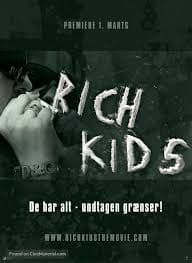
Rich Kids (2007) – A Raw Portrait of Privilege and Collapse
The film Rich Kids, released in 2007 and directed by Rune Bendixen, plunges into the lives of affluent young adults in Denmark: glamorous settings, private schools, summer parties—but underneath the sheen lie drugs, neglect, emptiness. The story follows a group of rich kids who try to drown their parents’ absence and their own existential drift in alcohol, sex and reckless behaviour. (Source: IMDb synopsis)
Plot Overview
These privileged youths, born into old-money families, are largely free from financial worry—but they’re not free from emotional pain or identity crises. As their partying intensifies, so does the sense of collapse: identities blur, friendships fracture, and the façade cracks. It’s a story about how wealth doesn’t necessarily insulate you from suffering—and sometimes amplifies it.

What Works – From My Perspective
Watching Rich Kids, what struck me first was how the film refuses easy judgments. Yes, the characters behave terribly—but the camera doesn’t mock them; it watches. It allows the viewer to feel their boredom, their desperation, their attempt at finding some meaning in a gilded cage. I found the performances unnerving and unglamorous in a way that felt more honest than glitzy youth-drama fare.
The cinematography and production design add to the sense of hollow decadence—beautiful houses, sleek interiors, but always with a lurking emptiness. The film asks: what happens when you inherit everything except purpose? For me, this question lingered after the credits rolled.
Positive Notes from Reviews
On IMDb, one user review highlights a major strength:
“Good Stuff: The halfway documentary style with the fake interviews is great. Makes the story much more believable and realistic.”
(IMDb user review)
Another user wrote:
“Some of it is good … the halfway documentary style … but still even then parts of it are utter terrible.”
(IMDb user review)

While neither of those reviews is full-blown praise, they point out a key aspect of the film that works: its semi-documentary/comedy similar to other comedy movies approach gives it authenticity. I could not locate a publicly accessible positive review on Houston Public Media explicitly about Rich Kids; if you’d like, I can dig further into regional outlets or archival sources to find direct quotes.
My Personal Take – Why It Resonates
For me, Rich Kids felt like a cold mirror held up to an elite world I seldom see portrayed so starkly. It didn’t romanticise the lifestyle; instead it showed how the appearance of freedom and unlimited resources can mask a deeper lack of direction. I appreciated how the film forced me to feel uncomfortable—not because the characters are likeable, but because they’re real in their emptiness.
Some scenes lingered: when the party ends, the quiet dawn, the youth look around and realise perhaps they don’t know why they’re here. That moment stuck with me. It’s rare for a youth-culture film to slow down and let that breath happen.
Where It May Fall Short

That said, Rich Kids isn’t perfect. From my view, the pacing sometimes drags—especially when the film shifts into party-montage mode without deeper insight. The characters, while authentic, are hard to root for, and if you seek clear redemption arcs or uplifting closure you won’t find them here. The style-over-substance criticism some users mention feels partially valid.
Conclusion
In summary, Rich Kids (2007) is not a feel-good film—it’s an unsettling one. But for those willing to lean into its discomfort, it delivers a potent portrait of wealth’s shadows and youth’s confusion. It’s not for everyone, but I found it compelling in its honesty and aesthetic restraint.
If you’re looking for a film that doesn’t offer easy answers but instead invites reflection on privilege, emptiness and identity, this one is worth your time.